
7.1 Introduction to Evolution and Natural Selection
in AP Biology
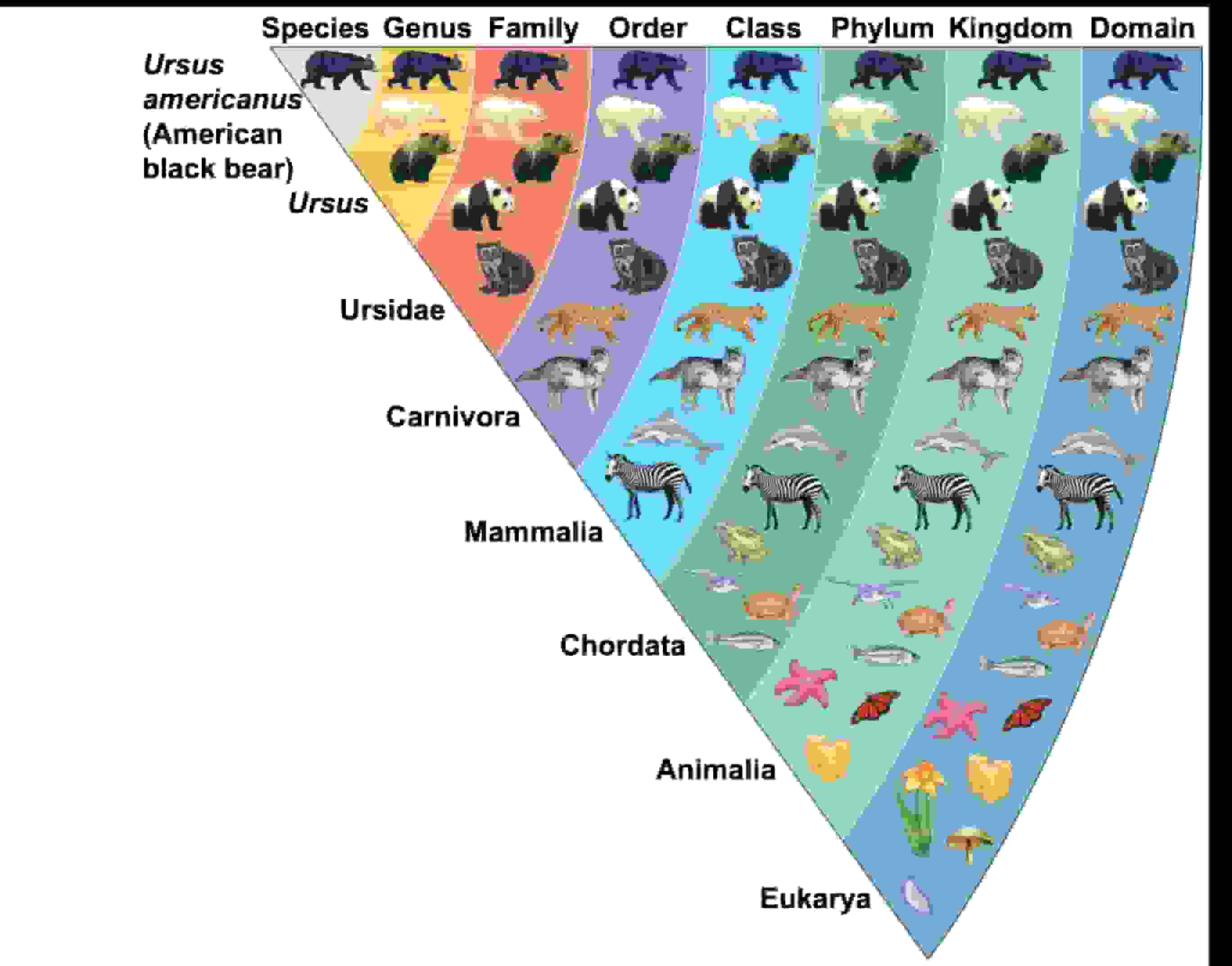
“Nothing in biology makes sense except in the light of evolution”—Theodosius Dobzhansky.
“Nothing in biology makes sense except in the light of evolution”—Theodosius Dobzhansky.
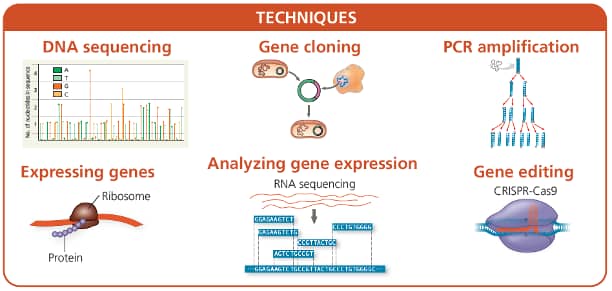
A virus consists only of nucleic acid, proteins, and sometimes a membranous envelope. After infecting a host cell, it uses the host cell’s molecules to make new viruses
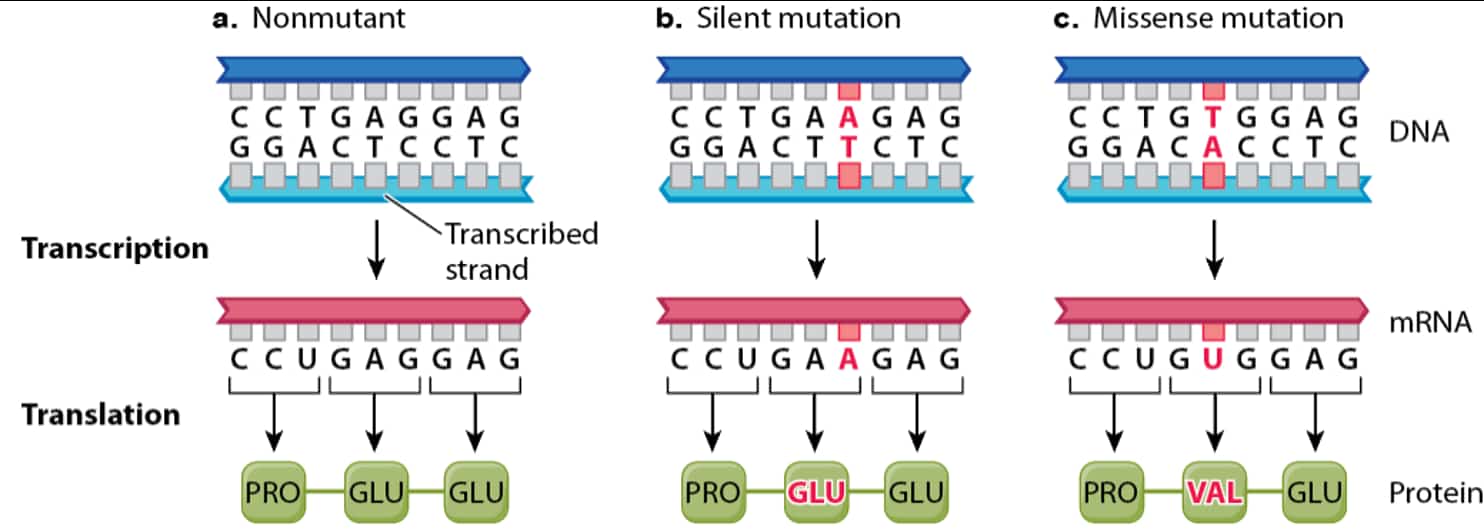
Alterations in a DNA sequence can lead to changes in the type or amount of the protein produced and the consequent phenotype. DNA mutations can be positive, negative, or neutral based on the effect or the lack of effect they have on the resulting nucleic acid or protein and the phenotypes that are conferred by the protein.
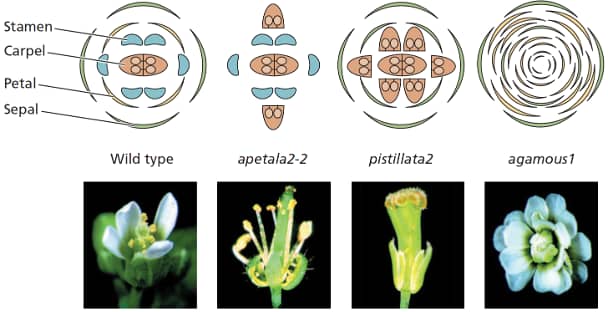
Embryonic cells become committed to a certain fate (determination), and undergo differentiation, becoming specialized in structure and function for their determined fate. Cells differ in structure and function not because they contain different genomes but because they express different genes.
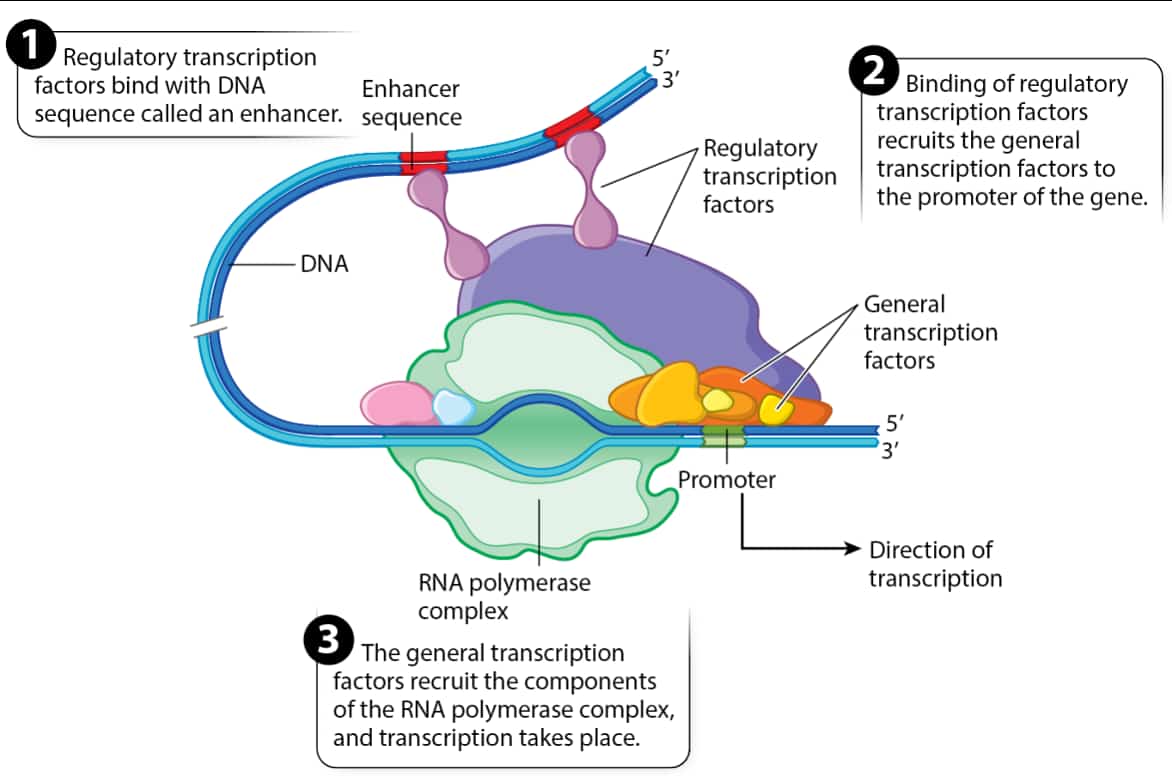
All organisms, whether prokaryotes or eukaryotes, must regulate which genes are expressed at any given time. Both unicellular organisms and the cells of multicellular organisms continually turn genes on and off in response to signals from their external and internal environments.
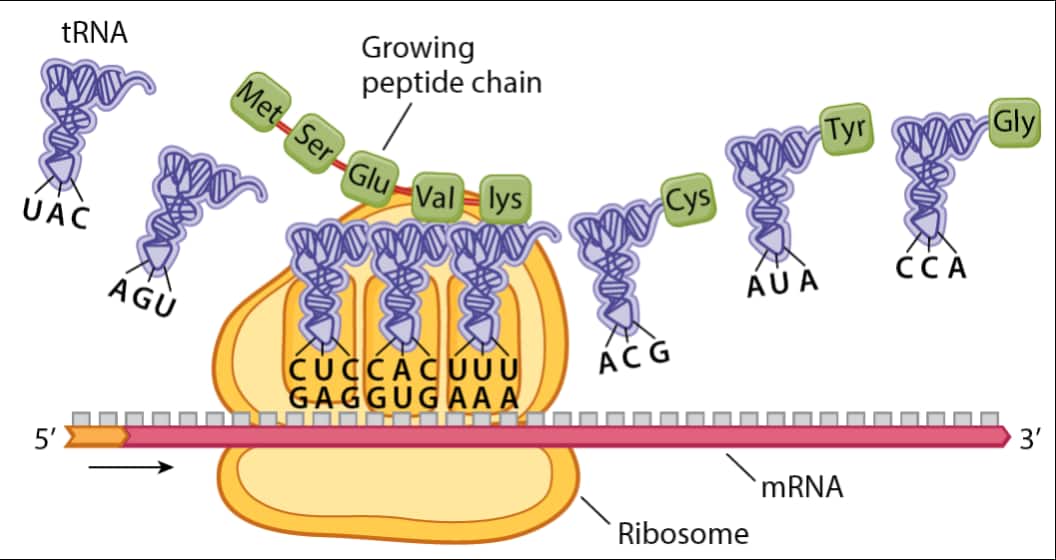
Translation is the synthesis of a polypeptide using the information in the mRNA. During this stage, there is a change in language: The cell must translate the nucleotide sequence of an mRNA molecule into the amino acid sequence of a polypeptide. The sites of translation are ribosomes, molecular complexes that facilitate the orderly linking of amino acids into polypeptide chains.

作者: Molly
您教我写字,我教您用手机——“银花灿烂”公益项目
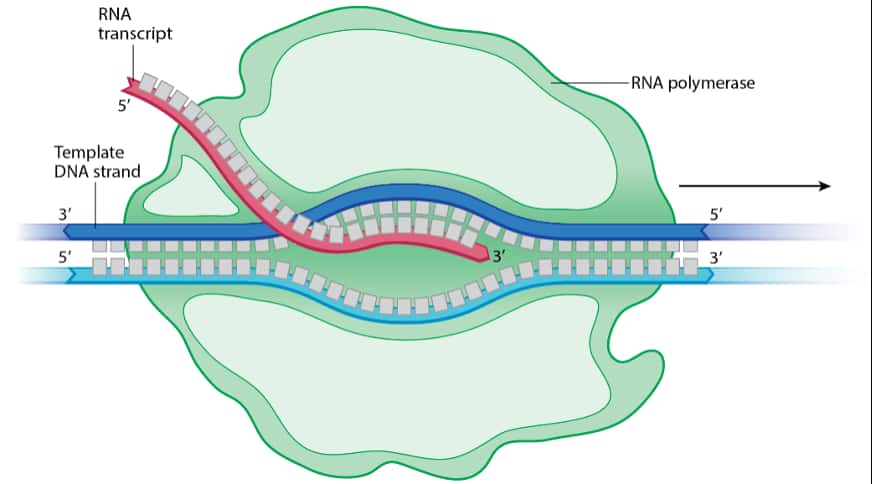
Transcription is the synthesis (production) of RNA using information in the DNA. The two nucleic acids are written in different forms of the same language, and the information is simply transcribed, or “rewritten,” from DNA to RNA.
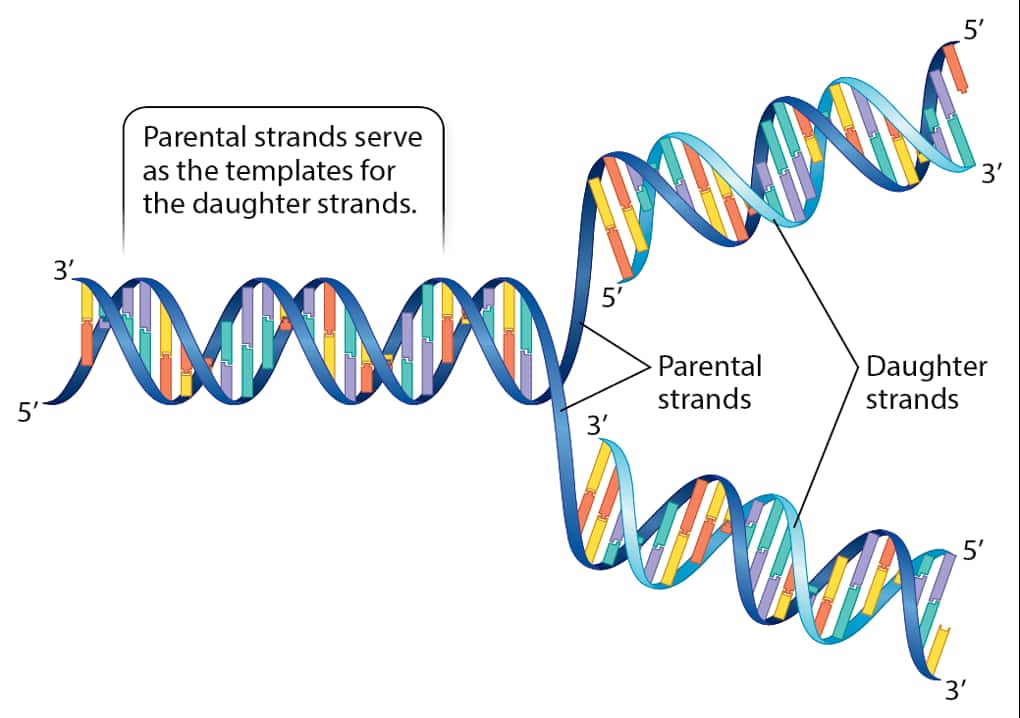
Watson and Crick’s model predicts that when a double helix replicates, each of the two daughter molecules will have one old strand, from the parental molecule, and one newly made strand.
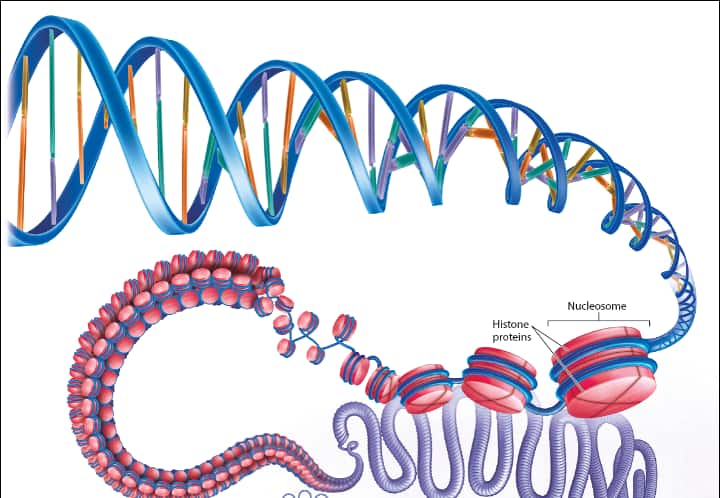
The elegant double-helical structure of deoxyribonucleic acid (DNA) shook the scientific world when it was proposed in April 1953 by James Watson and Francis Crick. The DNA you inherited from your parents contains all your genes—your genetic information.